Blog
Stories, insights, and the case for living now
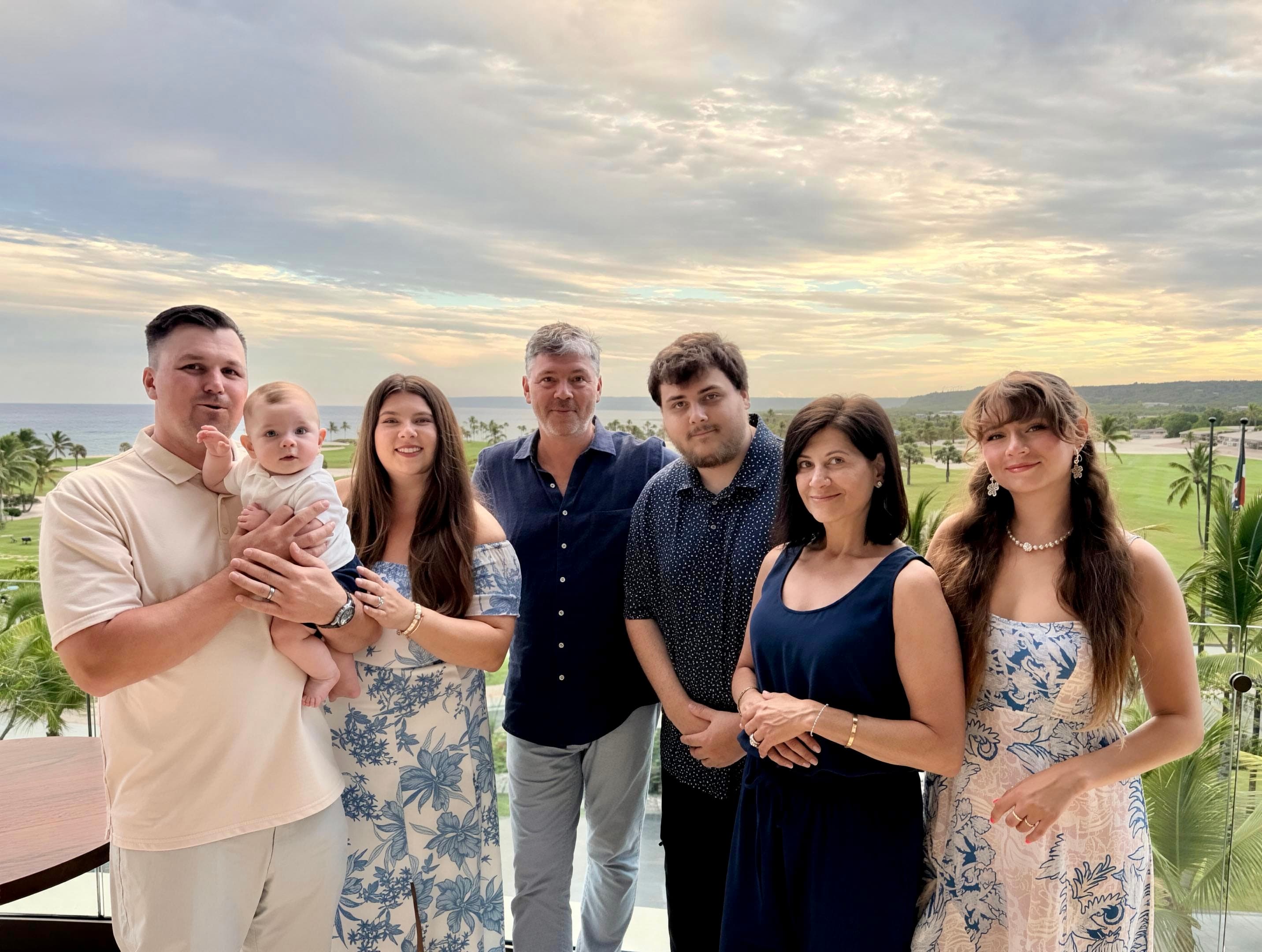
We Weren't Looking For An Investment, We Were Looking For A Place To Come Home To
One San Francisco family's journey from hesitant explorers to proud co-owners, and why the Dominican Republic beat everywhere else on their list.

What Happens If One Owner Wants to Sell? A Plain-English Breakdown
Worried about getting stuck in fractional ownership? You shouldn’t be. This breakdown shows how, after just 12 months, you can sell anytime, set your own price, and have GoForth actively find your buyer—without needing approval from other owners or disrupting their experience. It’s real ownership with a clear, built-in exit, so you can commit confidently from day one.

Costa Rica Isn’t a Vacation Destination. It’s a Way of Life
Guanacaste, Costa Rica isn’t just a place you visit, it’s a lifestyle defined by accessibility, natural beauty, and a rhythm that pulls you back year after year. With strong market fundamentals and early-stage luxury growth, it represents a rare window where both personal experience and long-term value align.

Q2 Destinations: Where Lifestyle and Investment Align
Q2 reveals a clear shift in luxury second home ownership: away from trend-driven destinations and toward places driven by consistency, livability, and long-term value. From established markets like Tuscany and Scottsdale to emerging hotspots like Costa Rica and Big Sky, the focus is on where lifestyle and investment align – and where owners return year after year.

You Don't Need 100% of Your Second Home
Your second home sits empty most of the year. GoForth's retained interest model lets you unlock up to 50% of equity while keeping access to the home you love.

5 Mistakes To Avoid When Purchasing a Second Home
Purchasing a second home represents a significant lifestyle investment, but it requires strategic thinking beyond emotional attachment to a property. Successful buyers consider usage frequency, travel accessibility, and portfolio alignment.

Luxury Home Co-Ownership: The Smarter, Simpler Way to Own
GoForth's luxury home co-ownership is an alternative to traditional second home ownership and timeshares. The model allows families to own a professionally-structured share of high-end properties with guaranteed access, professional management, and income generation.

Beyond Traditional Financing: Smart Ways to Pay for Investment Property
Conventional mortgages aren't the only path to real estate investment. Sophisticated investors leverage creative financing strategies to build wealth while preserving capital.

The Quiet Luxury of Home Co-Ownership
True luxury isn't about excess. It's about ease, familiarity, and belonging. When searching for luxury real estate, conversations typically focus on views, finishes, and square footage. But for many high-net-worth buyers, the most meaningful luxury is intangible — it appears after the second or third visit, when a place stops feeling like a destination and starts feeling like yours.

Where Smart Money Is Moving in Second Homes Right Now
Three emerging second home markets attracting sophisticated buyers: Deer Valley, Punta Cana, and Kimberley BC. Plus two cooling markets to watch.

The GoForth Story: How Two Atlanta Entrepreneurs Are Transforming Luxury Vacation Home Ownership
How Adam Capes and Brandon Dale went from a failed 21-owner model to building GoForth's 4-owner co-ownership platform for luxury vacation homes.
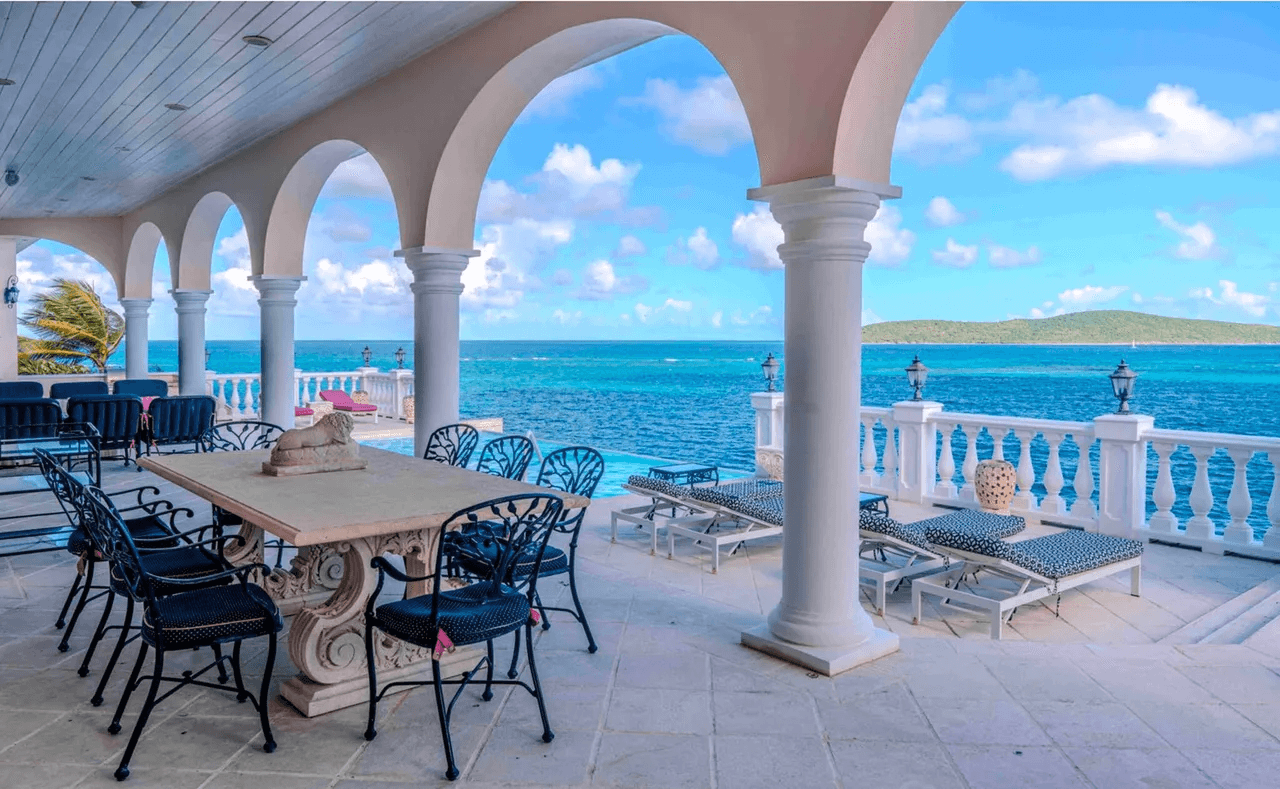
St Croix Real Estate: Your Private Luxury Retreat Awaits
St Croix real estate through fractional ownership. Villa Miramar — named a top Caribbean villa by Elite Traveler. No passport required for US citizens.
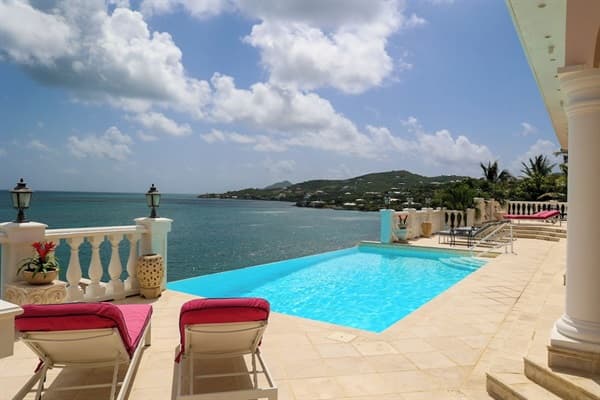
The Evolution of Luxury Real Estate: Why Fractional Ownership Is Strategic
Fractional ownership has evolved from a niche vacation concept into a legitimate wealth management strategy. Here's why sophisticated investors are making the shift.
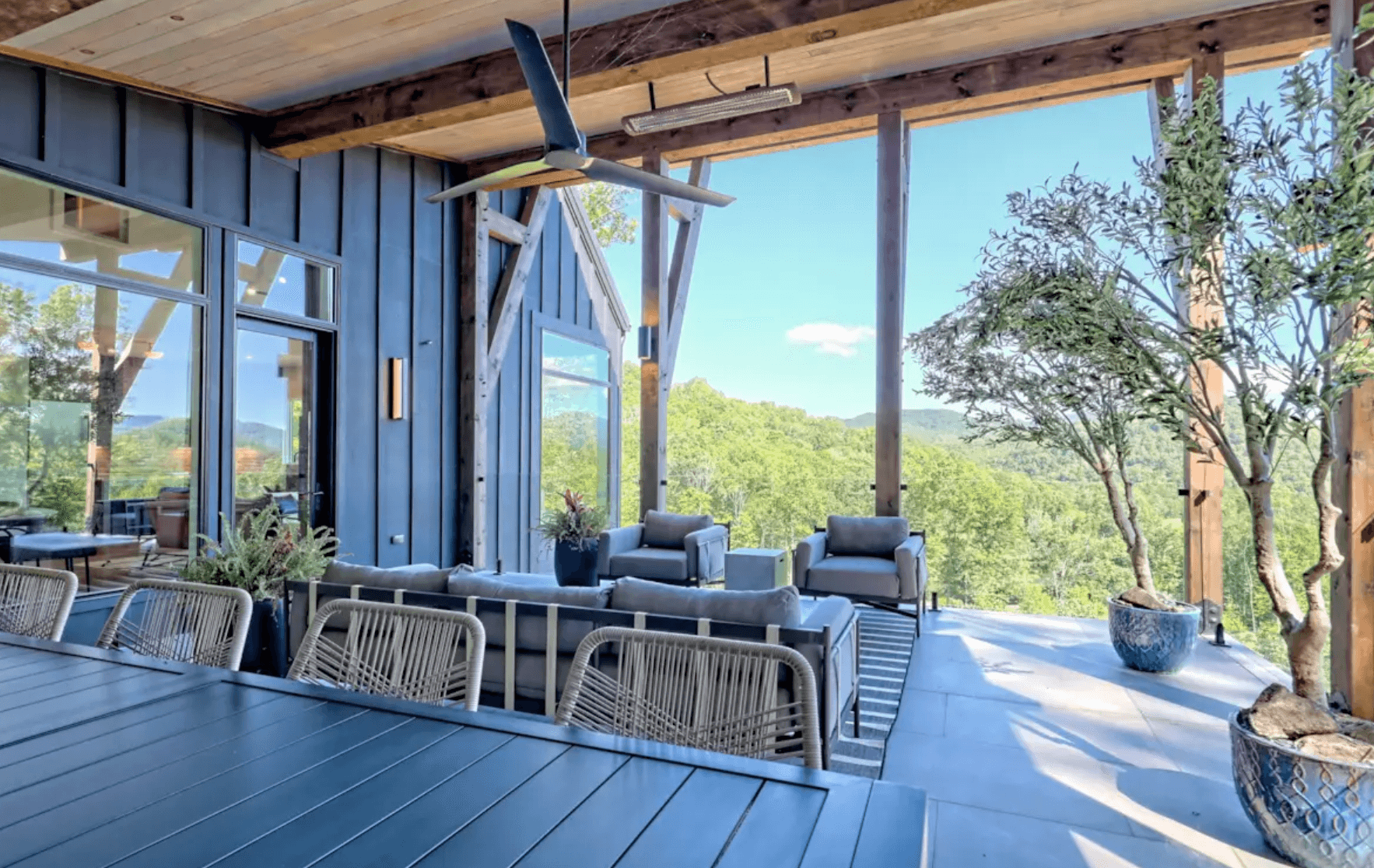
8 Hidden Gem Luxury Vacation Home Destinations You Need To See
Tired of crowded beaches and inflated prices? These 8 hidden gem destinations offer exclusivity, natural beauty, and strong investment potential.

Inside the Dolce & Gabbana Residence: Where Fashion Meets Luxury Living
Inside the Dolce & Gabbana Residence in Marbella — the fashion house's first European residential project. 92 villas, branded luxury, fractional ownership available.

The Perfect Destination Every Season: Live, Play, and Invest in Marbella
Marbella offers luxury living 12 months a year — not just summer. Spring culture, summer beach, fall harvest, winter golf. Here's what each season looks like.

Why 30A is the Best For Luxury Home Ownership
30A real estate has doubled to $238M in annual sales. Properties that were $10.1M in 2020 now sell for $18.5M. Here's why smart buyers are moving now.

5 Perfect Days in Marbella
A 5-day Marbella itinerary blending Andalusian tradition with contemporary luxury. Old Town, beaches, golf, wine, wellness, and more.

The Rise of Branded Residences: Where Luxury Hospitality Meets Smart Investment
Luxury brands like Four Seasons, St. Regis, and Dolce & Gabbana are reshaping second home ownership. Here's why branded residences are the smartest play.

Turks & Caicos: Discover the Caribbean's Most Coveted Hideaway
Discover why Turks & Caicos is the Caribbean's most coveted hideaway. Grace Bay Beach, world-class diving, and luxury co-ownership opportunities.
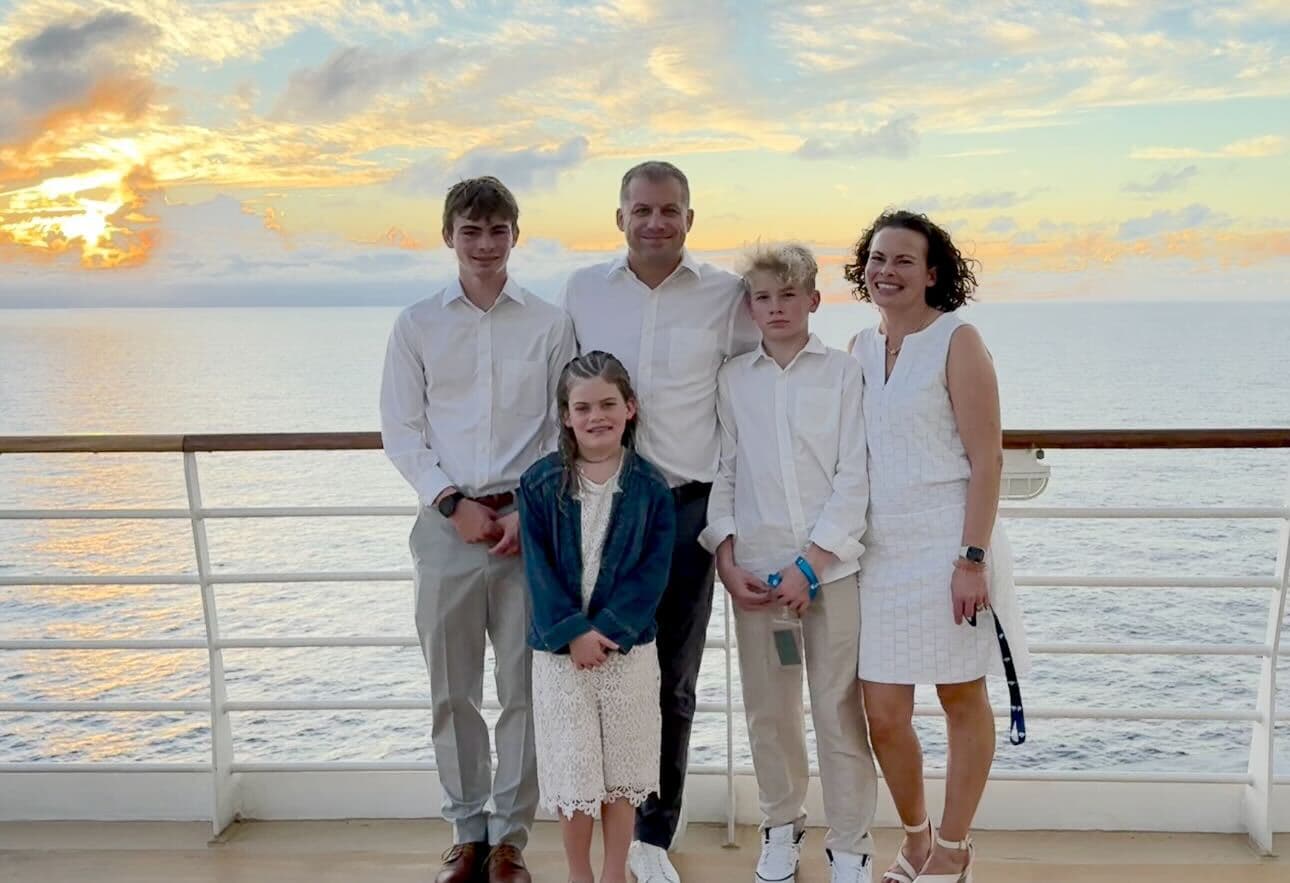
The New Era of Luxury Travel Without Compromise
How the Krieger family went from timeshares and membership programs to fractional co-ownership with GoForth. A real owner's story.
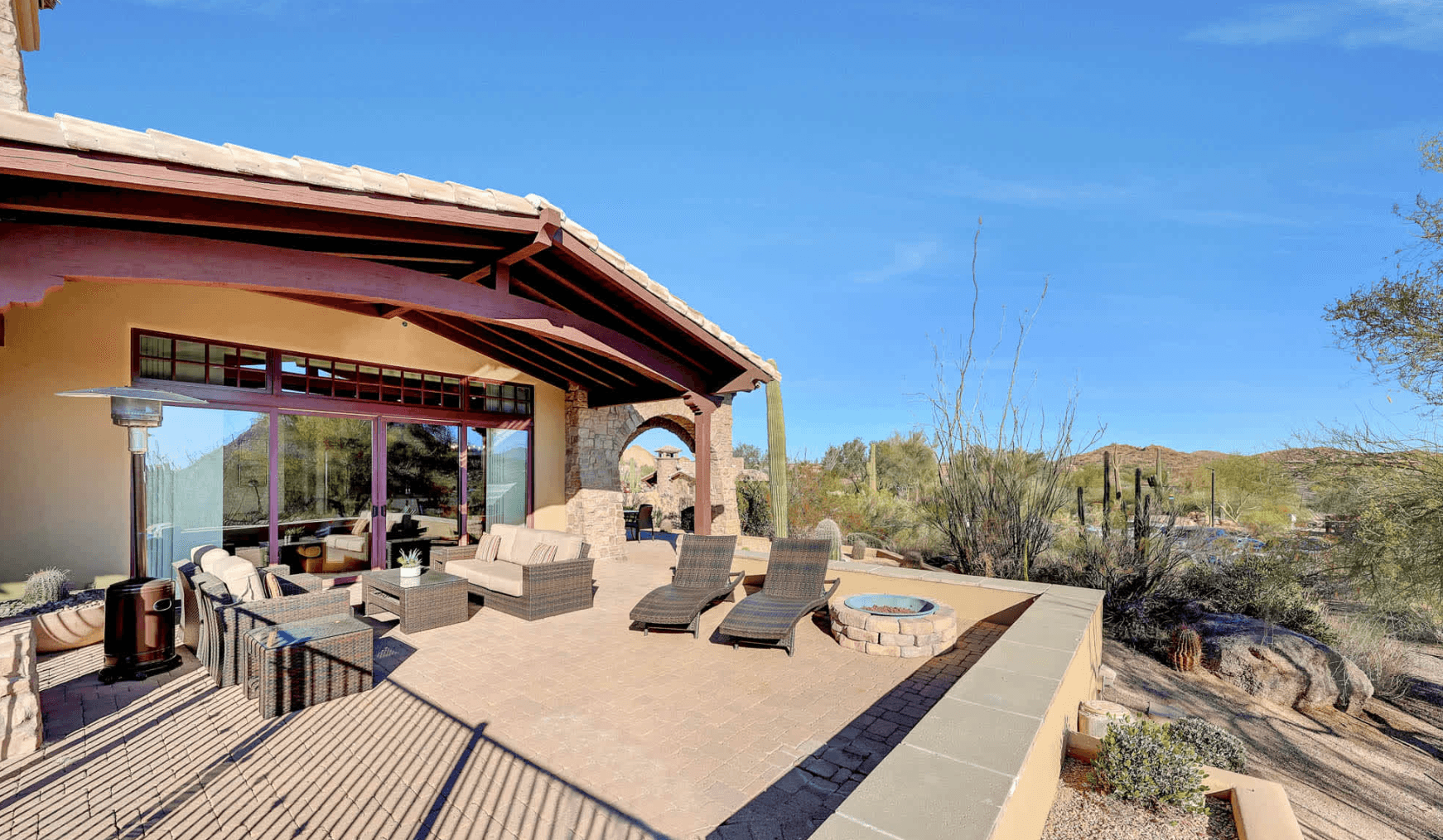
Discover Scottsdale: A Family Travel Guide to the Perfect Vacation
Planning a Scottsdale vacation? Discover why families are choosing Scottsdale for luxury second home ownership. Golf, hiking, dining, and year-round sunshine.

Aligning Expectations for Successful Co-Ownership
The key to successful co-ownership isn't the property — it's the expectations. Here's how GoForth aligns scheduling, costs, and decision-making from day one.

GoForth's Transparent Cost Management
Worried about hidden costs in fractional ownership? GoForth provides full financial transparency, predictable fees, and a No Annual Cost Guarantee.

The Hidden Pitfalls of Fractional Ownership in Luxury Real Estate
Considering fractional ownership? Here are the 4 hidden pitfalls — misaligned expectations, hidden costs, limited flexibility, and difficult exits — and how GoForth solves each one.

How GoForth Ensures Flexibility for Its Co-Owners
Worried about scheduling conflicts in co-ownership? GoForth's 4-owner model with priority scheduling, flex weeks, and matched co-owners minimizes friction.

Reducing the Stress of Selling Your Fractional Share
Worried about being trapped in fractional ownership? GoForth's exit guarantee means you can sell your share anytime. Here's how the process works.
Equity Growth in Luxury Fractional Ownership Properties
This exploration examines how equity grows in these shared luxury investments and what factors influence returns for stakeholders in property-sharing arrangements.

How to Finance Fractional Ownership
Fractional ownership means owning a part or share of an asset instead of holding it entirely. This approach involves sharing ownership with other stakeholders, thus dividing both the cost and the rewards.

Sherpa Report: Share Ownership In Five Star Branded Vacation Homes
GoForth has developed a niche in shared ownership of luxury branded residences offered by world-leading five-star hotel brands. These high-end vacation homes are often built alongside hotel developments, providing access to premium services and amenities.

Community and Networking on Fractional Ownership
Fractional ownership represents a modern approach to shared asset ownership, where high-value properties are divided into affordable portions. Beyond financial advantages, this model creates compelling social benefits by connecting individuals from diverse backgrounds who share similar interests and goals. These communities foster genuine relationships built on shared experiences and collective purpose.

Cost Efficiency: Delving into the World of Fractional Ownership
The core question remains: Is fractional ownership truly cost-efficient? Cost efficiency measures how economically resources are deployed to achieve results. This exploration examines whether fractional ownership delivers on its promise of luxury at a reduced price.
Diversification: Embracing Fractional Ownership and Investment
Two conceptual terms carry significant weight in investing: diversification and fractional ownership. Understanding their implications helps investors make informed decisions.
Enhanced Security: Enhancing Security with Fractional Ownership
"Fractional Ownership" may seem like complex investing jargon, but it represents "a relatively simple and innovative investment strategy" gaining traction in real estate circles.

Affordable Luxury Homes: Your Guide to Owning a Dream Vacation Home
"Luxury vacation homes" evoke images of sprawling mansions, palatial estates, and penthouses. However, luxury doesn't necessarily equate to being unattainable. This guide explores how to find vacation properties that combine superior quality with affordable pricing.

Three Exclusive Properties, One Interest Left!
Whether you're looking for an oceanfront getaway in the Dominican Republic, a Mediterranean dream home in Marbella, or a golfer's paradise in Scottsdale, these opportunities are worth exploring.

Discover New Luxury Investment Opportunities
A look into GoForth's new luxury investment opportunities including the Dominican Republic and Marbella, Spain.

Vacation Property Rental Management for Co-Owned Properties
This guide addresses vacation property rental management for co-owned luxury properties, covering smooth operations, maintenance coordination, booking management, and legal-financial matters.
This Week's Top Opportunities
A look into this week's top investing opportunities.
Exciting Partnership Alert: GoForth & THIRDHOME
This collaboration opens up new horizons for co-owners, enhancing the value and flexibility of your vacation home investment.

What Services Does GoForth Provide After Sale Closes?
GoForth doesn't disappear after closing. Here's everything we handle: furnishing, maintenance, utilities, housekeeping, luxury vehicle, and full property management.

Your Ultimate Guide to Buying the Perfect Vacation Property
Beyond personal enjoyment, vacation properties can appreciate significantly over time, generating substantial investment returns in popular destinations.
Access to Luxury Amenities: Exploring the New Standard
When we talk about "luxury amenities," we're referring to the magnificent extras that push ordinary living into the realm of extraordinary. These are the bells and whistles that tend to be more elaborate, prestigious, and cater to pleasure and comfort beyond just meeting basic needs.
Customizing Services to Enhance Fractional Ownership Experience
Fractional ownership of luxury vacation homes involves multiple investors sharing ownership of a high-end property. This model allows each owner to enjoy the property for a specific period each year, along with a share of the property's equity. The benefits include reduced costs, shared maintenance responsibilities, and the opportunity to own a luxury home in a prime location.
Reduced Maintenance Responsibilities Through Fractional Ownership
Fractional ownership allows multiple parties to co-own expensive assets while sharing costs and maintenance responsibilities. This approach significantly reduces the burden of upkeep that typically falls on individual owners of luxury properties, yachts, or jets.
Understanding the Initial Purchase Cost in Fractional Ownership
Unlike timeshares that offer usage rights for specific periods, fractional ownership provides an equity stake in the asset, enabling investors to enjoy ownership benefits such as usage and potential appreciation without full ownership costs.
Discover Tamarindo: A Family Travel Guide
This destination is renowned for its stunning beaches, thrilling outdoor activities, and rich cultural history. Whether you're a seasoned surfer, nature enthusiast, or simply seeking relaxation, Tamarindo offers experiences for everyone.

Shared Vacation Home: A Gateway to Affordable Luxury
What if you could own a piece of luxury vacation property without the full financial burden? Rather than bearing the complete cost alone, participants split expenses while still enjoying their dream retreat.

Understanding Types of Luxury Real Estate Ownership
The luxury real estate market presents various sophisticated ownership models beyond simple property purchase. Understanding these distinct structures proves essential for making informed investment decisions that align with financial goals and lifestyle preferences.
Discover New York City: A Family Travel Guide
Located in the northeastern United States, New York City boasts a vibrant and diverse history reflected in its stunning skyline. The Lenape Native Americans initially inhabited this area, developing a complex society with extensive knowledge of farming, fishing, and trade.

Shared Financial Burden: Exploring Cost Benefits of Fractional Ownership
Fractional ownership has evolved far beyond a clever financial strategy. It now serves as a "life-enabling structure," giving high-achieving families the ability to access extraordinary homes, yachts, or other high-value assets without sacrificing capital or time.
Fractional Ownership Guide (with Pros and Cons)
A comprehensive guide to fractional real estate ownership. Learn how it works, the pros and cons, and how it compares to timeshares, full ownership, and vacation rentals.

What Is a Timeshare? And Why Fractional Ownership May Be Better
What is a timeshare and how does it compare to fractional ownership? Understand the key differences in equity, scheduling, exit options, and long-term value.
Why 4 Owners Is the Sweet Spot
Most co-ownership companies split homes 8 ways. Here's why GoForth's 4-owner model gives you double the access, deeper connection, and better returns.
Vacation Home Management: Why the Best Owners Don't Do It Themselves
Vacation home management is the hidden burden of second home ownership. Learn why the smartest owners choose fully managed co-ownership over DIY management.
Can I Afford a Second Home? The Real Calculation
Can I afford a second home? The real question isn't whether you can afford full ownership — it's whether you should deploy that much capital for 4 weeks of use.

What Are the Downsides of Fractional Ownership? The Honest Answer
Real talk about the downsides of fractional vacation home ownership — and how GoForth's model specifically addresses every one of them.
Timeshare Guide: What It Is, Important Things to Consider, Pros and Cons
Honest timeshare guide covering how they work, the real pros and cons, exit challenges, and how fractional ownership compares for luxury vacation homes.
Shared Ownership Explained: Everything You Need to Know
How shared ownership works for luxury vacation homes — legal structures, benefits, risks, and why the LLC model protects your investment.
Is Fractional Ownership Worth It? The Honest Answer
Is fractional ownership worth it? We break down the real math, the lifestyle benefits, and the honest tradeoffs of co-owning a luxury vacation home.
Fractional Ownership vs Timeshare: All You Need to Know
Fractional ownership vs timeshare — understand the real differences in equity, access, exit options, and long-term value before you buy.
Discover Palm Springs: A Family Travel Guide to the Perfect Vacation
Plan the perfect Palm Springs family vacation. Neighborhoods, kid-friendly activities, dining, and why it's the next luxury second-home destination.